


How Can Enamel Hypoplasia Be Treated?
Does dental bonding do a decent job with discolored tooth enamel? I have hypoplasia on most of my upper front teeth. I had a consultation with a cosmetic dentist who recommended veneers. I want something more conservative, though. Thanks. Kayleigh from GA
Kayleigh,
Enamel hypoplasia occurs when tooth enamel does not develop properly. The condition can result from genetic factors or health issues that occur during tooth development.
Because enamel is the tooth’s protective outer layer, incomplete development can leave teeth vulnerable to discoloration, rough surfaces, and uneven texture.
How Does Enamel Hypoplasia Affect Teeth?
The condition can range from very mild to quite severe.
Common signs include:
- White spots on the enamel
- Yellow or brown discoloration
- Small pits or grooves
- Thin enamel
- Areas where the underlying dentin becomes visible
Some patients have only one affected tooth, while others have multiple teeth involved.
What Is the Treatment for Enamel Hypoplasia?
Treatment for enamel hypoplasia depends on the severity of the case. Mild to moderate cases can benefit from dental bonding. However, for advanced cases, a dentist may recommend porcelain veneers or dental crowns.
Treatment for Mild Cases
When enamel hypoplasia is limited to small white spots or minor surface defects, conservative treatment is often the best approach.
Composite bonding can often improve the appearance of affected teeth without removing significant tooth structure. The bonding material is shaped and polished to blend with the surrounding enamel.
If the spots are minor and do not bother you, monitoring them may also be a reasonable option.
Treatment for More Severe Cases
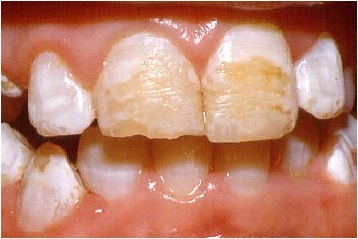
Severe enamel hypoplasia typically requires a more comprehensive solution. When enamel is extensively damaged, simply covering small areas with bonding may not provide a lasting or esthetic result.
Depending on the condition of the teeth, treatment may include:
- Porcelain veneers for visible front surfaces
- Full crowns when enamel loss affects a larger portion of the tooth
- Restorative treatment for multiple teeth when several teeth are involved
The objective is to strengthen the teeth while improving their appearance.
How to Choose the Right Dentist for Treatment
Enamel hypoplasia can be challenging to restore because natural enamel has depth, translucency, and color variation. Reproducing those characteristics requires both quality materials and experience.
Whether treatment involves bonding, veneers, or crowns, careful planning helps achieve a result that looks natural and functions well for years to come.
Dr. Thaddeus Michalski, a Rocky Hill, Connecticut dentist, sponsors this post. Read why many of his patients say he is one of the best dentists in town.
What Is the Treatment for Hypocalcification After Braces?
 My son has had a lack of tooth enamel since birth. He is 16 now and wore braces for 16 months. Now that he is finished with braces, we are concerned about hypocalcification and white spots on his front teeth. He is self-conscious about the spots. Will insurance cover correcting the discoloration, or will they consider it cosmetic dentistry? What should I ask his pediatric dentist to do? – Thanks. Deidre
Deidre,
We understand your concerns and how the appearance of children’s teeth can affect their self-esteem and social interactions.
What Causes Hypocalcification After Braces?
Hypocalcification and white spots after braces usually result from bacterial overgrowth. Inadequate flossing and brushing between teeth and around braces leads to plaque buildup. Demineralized teeth can develop hypocalcification or decalcification.
What Is Hypocalcification?
Hypocalcification is a lack of calcium that thins and weakens tooth enamel. The condition results in tooth discoloration after braces. Your teeth can look chalky and develop white, yellow, or brown spots.
Will Dental Insurance Pay to Remove White Spots on Teeth?
Your dental insurance is likely obligated to provide coverage toward damaged tooth enamel. However, dental insurance pays for part of the cost, while you are responsible for the rest. Contact the dental insurance company to ask about plan benefits for correcting enamel loss after braces.
What Is the Treatment for White Spots on Teeth After Braces?
Treatment for white spots on teeth after braces depends on the extent of the damage and the teeth’s condition. Treatment options may include dental bonding or porcelain veneers if a child’s jaw growth is complete. Pediatric dentists ensure children’s teeth are healthy and can anticipate future problems as teeth and jaws develop. However, pediatric dentists are not trained to provide cosmetic dentistry and seamless tooth restoration.
How Can You Prevent Hypocalcification During Orthodontic Treatment?
You can prevent hypocalcification and enamel damage during orthodontic treatment with these steps:
- Avoid hard, sticky, or crunchy foods that can get stuck beneath or around brackets.
- Rinse your mouth with water after meals.
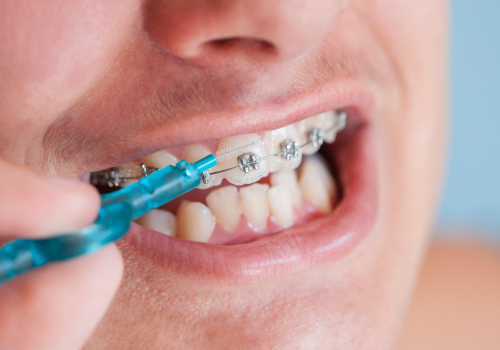
- Brush your teeth and floss between them regularly, focusing on areas around the brackets.
- Use an interdental brush to clean between brackets.
- Keep your regularly scheduled dental exam and cleaning appointments.
Schedule a consultation with a dentist with advanced cosmetic dentistry training who enjoys treating children. A dentist must understand how to layer and apply composites by hand to perfectly conceal the spots while matching the shade of adjacent teeth. Only a skilled cosmetic dentist can seamlessly apply bonding on front teeth and achieve a match.
Rocky Hill, Connecticut, cosmetic dentist Dr. Thaddeus Michalski sponsors this post.