


Will I Regret Not Getting a Tooth Extraction and Dental Implant?
I had a root canal in 2020 without any problems until now. The tooth has hurt on and off for the past month, but now it’s starting to throb. I am afraid that I will need an extraction. Is it worth repeating a root canal, or would I regret not getting an extraction and a dental implant? – Thanks. Elias
Elias
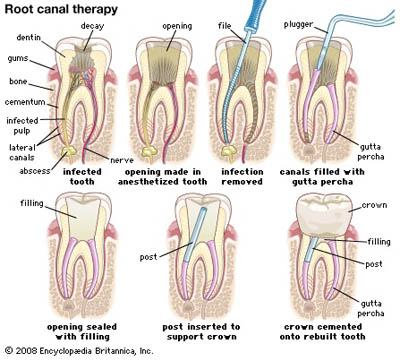
Root canal failure can be frustrating and painful. It happens when a tooth doesn’t heal completely after a root canal treatment, leading to recurring symptoms. Your symptoms may be the result of root canal failure.
What Causes Root Canal Failure?
A hidden tooth infection or curvy tooth roots can contribute to root canal failure:
- Hidden infection: It can be challenging for a dentist to remove all the infection from a tooth’s complex root canals. Even a tiny amount of remaining bacteria can cause problems later.
- Curved or branching roots: These can make it hard to reach and clean all areas of the tooth.
What Are the Treatment Options for Root Canal Failure?
The treatment options for root canal failure are retreatment, root canal surgery, or extraction and a dental implant for an unsavable tooth.
- Retreatment: A dentist can attempt to clean the infected area and seal it again.
- Root canal surgery: A dentist or specialist must access the tip of a tooth near the gumline and through the bone to remove the infection. An endodontist (root canal specialist) typically performs this procedure (apicoectomy).
- Extraction for tooth fracture or an unsavable tooth: A crack in the tooth can also lead to pain and infection. Unfortunately, saving a tooth with a severe fracture can be challenging.
See a dentist with extensive root canal treatment experience or an endodontist to discuss your options.
Dr. Thaddeus Michalski, a Rocky Hill, Connecticut dentist sponsors this post.
How Can I Even My Teeth Edges After Braces?
My orthodontist will remove my braces in December, but my teeth edges are jagged. I don’t like the unevenness. Will I need porcelain veneers? Thanks. Jada from Austin, TX
Jada,
An expert cosmetic dentist can effectively smooth jagged tooth edges using cosmetic bonding, cosmetic contouring (enameloplasty), or combining both techniques.
How Can Cosmetic Bonding Smooth Teeth Edges?
Cosmetic bonding involves applying a dental composite material to your teeth to enhance their shape and color. This technique is less invasive than porcelain veneers. The composite material is meticulously blended to match the shade and translucency of your natural teeth. A skilled cosmetic dentist applies and hardens composite layers to smooth out jagged edges, resembling the artistry of a painter.
The cosmetic bonding process typically includes the following steps:
- Acid etching: This step prepares the tooth enamel for the bonding agent.
- Bonding agent application: A bonding agent creates a strong bond between the composite and the tooth.
- Composite application: Layers of cosmetic bonding material fill in the affected area.
- Curing: A curing light hardens each layer before applying the next.
- Shaping: The composite is shaped to match the desired contour.
- Polishing: The final step involves polishing the composite to achieve a smooth, natural finish.
Can Enameloplasty Smooth Teeth Edges?
Enameloplasty, or cosmetic contouring, reshapes tooth enamel to correct irregularities. After reshaping the teeth, the dentist polishes them to ensure a smooth appearance. A skilled cosmetic dentist understands how to alter the shape of your teeth without affecting your bite (the way your upper and lower teeth fit together). In some cases, composite may be used to finish the sides of the teeth.
The enameloplasty process typically involves:
- Enamel removal: A dental burr or sand disc is used to remove excess enamel.
- Shaping and contouring: The teeth are sculpted to the desired shape.
- Polishing: The teeth are polished to a smooth finish.
Scheduling a Cosmetic Dentistry Consultation
A cosmetic dentist can explain cosmetic bonding and enameloplasty procedures and the expected outcomes. Porcelain veneers are generally not necessary unless your teeth are severely damaged or stained beyond the reach of teeth whitening. Consult a qualified cosmetic dentist to discuss your needs and explore the best options for correcting jagged tooth edges.
Dr. Thaddeus Michalski, a Rocky Hill, Connecticut dentist sponsors this post.
