


Month: September 2026 posts
Why Are My New Front Crowns Causing Jaw Pain?
 In June, I had crowns placed on my six upper front teeth, from canine to canine. I had a large gap between my two front teeth, and the crowns closed it.
Since then, I’ve had trouble speaking clearly. I feel like I’m having to learn how to pronounce certain words again, and the effort has caused constant jaw and neck pain. My mouth feels dry, and my lips have been numb.
What could be causing these problems? Is it possible to have some of the space between my two front teeth restored without replacing all six crowns? – Thanks. Jovana
Jovana,
Crowns that are too thick or too long could contribute to the speech changes, jaw and neck pain, and difficulty comfortably closing your lips that you describe.
One possibility is a condition called lip incompetence. This means your lips do not come together naturally and comfortably when your teeth are together. With a balanced bite and properly proportioned front teeth, your lips should generally rest together without conscious effort.
Your dry mouth and lip numbness make us wonder whether you are straining to keep your lips closed or whether the new shape of your teeth has changed the way your lips rest and how your lips and teeth form speech.
Could the Crowns Also Be Affecting Your Bite?
The size and shape of the crowns could change how your teeth come together. If the crowns interfere with your bite, your jaw muscles may have to work differently than they did before treatment.
That could potentially explain several of your symptoms:
- Difficulty speaking clearly
- Jaw and neck discomfort
- Muscle strain when bringing your teeth or lips together
- Difficulty allowing your lips to rest naturally
Closing a large space between the two front teeth changes their width and contours, so a skilled dentist must evaluate it carefully.
Should You Be Concerned About Dry Mouth?
Persistent dry mouth matters because saliva helps protect your teeth from decay. Saliva washes the teeth, helps neutralize acids, and contains components that help control harmful bacteria. We don’t recommend waiting and hoping these symptoms, including your ongoing pain, resolve.
Can the Space Between the Front Crowns Be Restored?
A dentist would need to examine the crowns, your bite, and the proportions of your front teeth before determining whether restoring the space between them is an option. Depending on the crown design, restoring some of the original space may require reshaping or replacing the two front crowns.
We recommend getting a second opinion from a dentist with extensive experience in cosmetic and restorative dentistry. The dentist will evaluate the thickness and length of the crowns, your bite, your lip position, and the way the crowns have changed your speech. That examination should help determine whether crowns are contributing to your symptoms and what can be done to correct the problem.
Dr. Thaddeus Michalski, a Rocky Hill, Connecticut dentist, sponsors this post. Read why many of his patients say he is one of the best dentists in town.
Will My Crooked Teeth Cause Other Problems?
I’m in my early twenties and have never had braces because I thought it was better to leave my teeth naturally crooked. People around me have also told me that I don’t need braces because they think my smile looks cute the way it is.
I’m wondering if leaving my teeth crooked could cause dental problems in the future. My upper wisdom teeth are also starting to come in. They don’t hurt, but I’ve read that wisdom teeth can sometimes cause other teeth to shift. Should I be concerned about my alignment or my wisdom teeth? – Thanks. Thomas
Thomas,
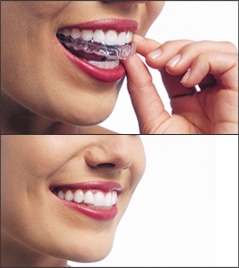 We wouldn’t consider crooked teeth their ideal natural position. Crooked teeth can increase your risk of dental problems. Crowded and overlapping teeth often create areas that trap food and are difficult to brush and floss thoroughly.
Alignment can affect your oral health in several ways:
- Crooked teeth may be more susceptible to decay.
- Difficult-to-clean areas can increase the risk of gum disease.
- An uneven bite can place excessive stress on certain teeth.
- Food can become trapped more easily between crowded teeth.
Orthodontic treatment can move teeth into positions that are easier to clean and allow your bite to function more naturally.
Will Your Wisdom Teeth Shift Your Teeth Out of Alignment?
The evidence does not support the idea that wisdom teeth push the other teeth forward and cause crowding. Studies have found that wisdom teeth don’t produce enough forward pressure to move the teeth in front of them.
One study by Dr. Tom Southard at the University of Iowa measured pressure between teeth with sensors. The researchers found no difference in that pressure based on whether wisdom teeth were present. Other studies have reached similar conclusions.
Also, the traditional theory about wisdom teeth causing crowding has generally focused on the lower wisdom teeth, not the upper wisdom teeth you mentioned. Your upper wisdom teeth may need evaluation for other reasons, but their eruption alone doesn’t mean they will make your other teeth more crooked.
Dr. Thaddeus Michalski, a Rocky Hill, Connecticut dentist, sponsors this post.