


Do I Need a Tooth Root Removed That Broke During Extraction?
When my dentist removed my upper left first molar, part of the tooth root broke off. My dentist referred me to an oral surgeon to remove the root. Is there any harm in leaving the root in the socket? How common is this, anyway? I’m a little frustrated that my dentist could have referred me to a surgeon in the first place. He wounded so confident about the extraction that I trusted him. Thanks. Leander from S. Dakota
Leander,
Part of a tooth root may break during tooth removal because of the root shape or challenges removing the tooth; it is not uncommon. If a dentist realizes a root fragment is left, they may refer you to a specialist. Other dentists use an X-ray to anticipate the complexities of extraction and may refer you to a specialist upfront for tooth removal.
Do You Need to Remove a First Molar Tooth Root?
If a dentist leaves a tooth root behind after extracting an upper first molar tooth, the root can poke the sinus, resulting in sinus perforation. Leaving the tooth root in the socket for months increases complications and risks. Sinus perforation surgery can be complex and requires the skill of a specialist.
We recommend getting a second opinion right away. If the tooth root is too close to the sinus wall, a specialist may decide to leave it. Otherwise, the surgeon will remove it promptly.
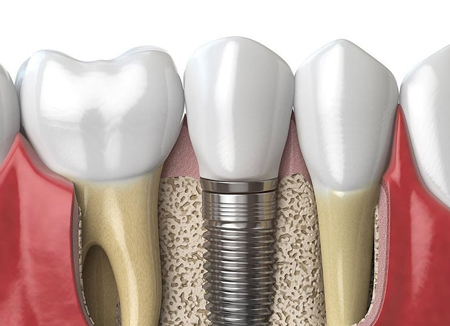
If you are considering a dental implant to replace the missing first molar tooth, talk to the surgeon about it. Depending on the condition of the tooth socket and your sinus, the surgeon may recommend a bone graft or sinus augmentation procedure to prepare the site for an implant. A dental implant needs enough quality bone to support an implant crown. Caring for the socket now can prevent the need for another surgery later if appropriate. Ask the specialist about your options.
Dr. Thaddeus Michalski, a Rocky Hill, Connecticut dentist and Diplomate of the International Congress of Oral Implantologist, sponsors this post.
What Are the Types of Bone Grafting for Dental Implants?
Successful dental implant placement requires sufficient jawbone volume because your bone is the foundation for dental implants. When a tooth is missing, your body resorbs the surrounding bone and uses the minerals elsewhere in the body. If you have experienced jawbone shrinkage, you may need bone grafting to build up the bone before you get dental implants.
What Are the Types of Dental Implant Bone Grafting?
Types of bone grafting for dental implants include your bone, tissue-bank human bone, animal bone, mineral bone, and synthetic bone manufactured from proteins in the body.
- Your bone (autograft) – Your chin, hip, jaw, or tibia can be a source of bone for grafting into your jawbone. Harvesting bone from another site requires surgery. Some implant dentists or oral surgeons harvest tibia bone in the office while you are under IV sedation. Harvesting bone from your hip requires hospitalization. Autografts are the most effective bone grafting because your body adapts quickly.
- Tissue bank human bone (allograft) – Reputable tissue banks supply human cadaver bone. Tissue bank grafting is less expensive than autograft. Although tissue banks screen donors, you will have the risk of infection from donor tissue, as with a blood transfusion.
- Animal bone (xenograft) – Sterilized animal bone—most often from a cow—minimizes the risk of infection. Your body absorbs the bone over time and replaces it with your bone.
- Mineral bone substitute (alloplast) – Next to bone harvested from your body, synthetic bone is the safest means of grafting. Your body will eventually absorb and replace the bone with your bone tissue.
- Recombinant gene technology-derived protein – Proteins naturally found in the body are used to manufacture bone synthetically. The protein is FDA approved as an alternative to an autograft.
How Long Is Dental Implant Bone Graft Healing Time?
The bone grafting healing period can take four to nine months, depending on the graft used and how your body reacts to it. After it heals, your dentist or oral surgeon will perform dental implant surgery. In some cases, such as with tooth extractions, you may receive bone grafting and implants on the same day. Your implant dentist will explain your options for bone grafting and the outcome you can expect.
Rocky Hill, Connecticut dentist Dr. Thaddeus Michalski, sponsors this post.