


Lidocaine Doesn’t Work and My Dental Implant Failed
My upper right first premolar cracked last month. My dentist said he couldn’t save the tooth, so he scheduled an appointment for an extraction and implant. Before and during the extraction, my dentist gave me six lidocaine shote. My palate and tongue burned. My dentist placed an implant right after removing the tooth. When I returned for a checkup the following week, I told the dentist about my burning palate and tongue, so he prescribed a mouth rinse. I had a four-month monthly checkup before my dentist said the bone was ready for my final crown. My mouth burned for all that time despite the mouth rinse. My dentist exposed the implant, and we waited a few more weeks for him to take impressions for my final crown. I thought I would be good to go when the crown arrived, and maybe all the burning could calm down.
I can’t explain the extent of my discomfort when the dentist tried to screw the crown onto the implants. This appointment was another round of six lidocaine shots. Finally, he got the crown on, but my bite felt off. Because of my stress, we scheduled two more appointments to correct my bite. It felt okay but not great before I went on vacation in late July. While on vacation, the crown fell off. I was so embarrassed to go to a dentist in Michigan. I found a competent dentist who has been placing implants for 20 years and is a co-instructor at dental implant classes for other dentists. What a relief. I wish I could go back to Michigan for care. Anyway, that dentist told me to see my local dentist right away. My dentist admitted that the implant failed and that he needed to remove it. I have no implant, just a missing tooth, and a burning tongue and palate. I told my dentist I wanted a refund, and he agreed but asked me to let him redo the work. He said that he now understands what went wrong. Why couldn’t he know before it went wrong? Anyway, I’m going to get a second opinion in two weeks. Any suggestions before my appointment? Thanks. Sandeep from PA
Sandeep,
We are sorry you’ve had such stressful dental experiences with the local anesthetic and dental implant failure. We will offer suggestions to help you get needed care.
What If Lidocaine at the Dentist Doesn’t Work?
If lidocaine at the dentist doesn’t work for you, resistance to local anesthesia or high anxiety levels can prevent a dentist from numbing the area. Talk to your dentist about sedation options to help you relax before your appointment. Sedation can also dull your pain sensitivity.
What Can You Do About Dental Implant Failure?
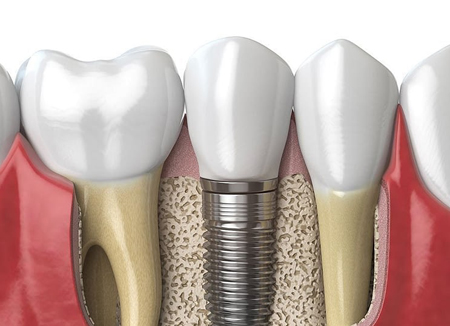
When a dental implant has failed, we recommend getting a second opinion from a skilled implant dentist. Look for a provider with post-graduate training in implantology. The dentist will need a 3D CT scan to help determine the cause of implant failure. Perhaps you need bone grafting to build up your jawbone, allowing it to support a dental implant.
If a dentist forced your temporary crown on the implant, the force may have contributed to dental implant failure. If your dentist continues cooperating, you can request a refund.
Although the cause of burning mouth syndrome is unknown, many incidents relate to dental trauma. When you find a gentle dentist who may use sedation to relax you during your visit, your burning mouth will likely calm down. Otherwise, speak with your new dentist about your concerns.
Rocky Hill, Connecticut, cosmetic dentist Dr. Thaddeus Michalski sponsors this post.
What If Local Anesthetic from the Dentist Doesn’t Work?
My 20-year-old daughter had a dental appointment last week, and the numbing shot did not work. Days before the appointment, she kept saying she was not looking forward to it. This is because getting her numb is always a problem, and we keep rescheduling her appointments. I wonder if we need to switch to another dentist. She doesn’t like needles anyway, but they keep giving her shot after shot, which doesn’t work. What do you suggest? Thanks! – Yvette
Yvette –
Thank you for contacting Radiant Smiles of Rocky Hill. Your daughter’s comments about not looking forward to her dental appointment and not getting numb suggest that she has dental anxiety.
What If Local Anesthetic from the Dentist Doesn’t Work?
If local anesthetic from the dentist does not work, it could be that the patient is unable to relax. Sometimes, a high level of anxiety blocks the effectiveness of Lidocaine. If your daughter’s anxiety level is exceptionally high, a dentist may be unsuccessful in numbing treatment areas without administering dental sedation.
Also, a dentist’s technique or the type of anesthetic may not work well for the patient.
How Does Dental Sedation Help Local Anesthesia Work?

Dental sedation helps local anesthesia work because it relaxes you and calms anxiety. Also, sedation minimizes your pain sensitivity. Even patients without dental anxiety benefit from sedation because they are so relaxed that a dentist can complete more work than without sedation.
Schedule a Consultation
We recommend scheduling a consultation with an experienced dentist who understands dental anxieties and offers sedation. Your daughter can explain the causes of her fear and what triggers it in a dental office. An attentive dental team will note your daughter’s triggers and work to avoid them during the appointment.
Other than dental anxiety, some rare medical conditions can minimize the effectiveness of local anesthesia. If you get a second opinion and the new dentist cannot resolve your daughter’s concerns, you can ask her medical doctor for advice.
Rocky Hill, Connecticut, dentist Dr. Thaddeus Michalski sponsors this post.