


Will I Need a Tooth Implant If My Dental Crown Fractured?
One of my four porcelain crowns cracked, and I would like to know if it is an emergency and whether I will need a tooth implant. The tooth is my left lateral incisor; I’ve had a crown on it since 2002. I do not want to jeopardize my tooth and need a dental implant. The fracture is near the bottom. I took pictures of the crack when I first noticed it, and it’s more noticeable than it was a few months ago. I do not want it to break while I am out of town visiting my mom for two weeks. The other issue is that I have a new dentist whom I have only seen for cleanings and exams. I’m unsure if I want this practice to do any cosmetic work on my teeth. Is my fractured crown an emergency? – Thank you. Ellis from MI
Ellis,
Thank you for your question.
Is a Fractured Dental Crown an Emergency?
A fractured crown is not an emergency that immediately jeopardizes your tooth. Thin fractures (craze lines) in teeth or crowns usually affect only the tooth enamel. However, if you can see the fracture and it is more visible than before, it may worsen. And the crown will eventually break completely.
Do You Need a Tooth Implant if a Crown Breaks?
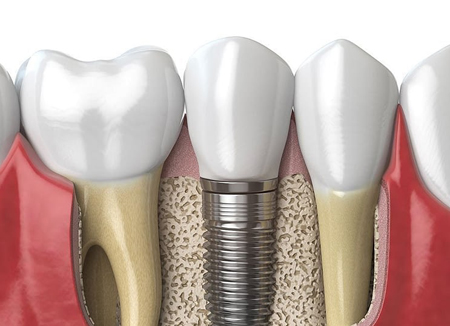
You do not automatically need a tooth implant if a crown breaks. However, if you leave the tooth unprotected for an extended period, your natural tooth might weaken and break. A cosmetic dentist will examine and x-ray your tooth and look for any signs of damage. Unless you experienced trauma or internal damage to the tooth and the tooth is unsavable, you don’t need a tooth implant.
Get a Dental Crown Second Opinion
You are wise not to trust a dentist whose cosmetic work you haven’t experienced or seen. We recommend scheduling an appointment with an advanced cosmetic dentist to replace the crown. If you are concerned about the crown while out of town, consider seeing a cosmetic dentist as soon as possible. It usually takes about two weeks to get a new crown.
Replacing one crown requires a dentist to have the color-matching skill to ensure the replacement matches your natural teeth and other crowns. Color-matching is a challenge for many dentists, who seldom admit when they do not have the skill.
If you must delay a dental visit and anything happens to your crown while out of town, look for an accredited cosmetic dentist or one with advanced cosmetic dentistry training. Look at dentists’ websites for a smile gallery of before-and-after photos of crowns on front teeth. You can prevent the need for a tooth implant by getting an experienced dentist to examine the condition of your crown and tooth promptly.
Dr. Thaddeus Michalski, a Rocky Hill, Connecticut dentist and Diplomate of the International Congress of Oral Implantologist, sponsors this post. Read how Dr. Michalski strives to provide patients with some of the best dental care in Rocky Hill.
Why Do I Have a Cavity Beneath My First Molar Crown?
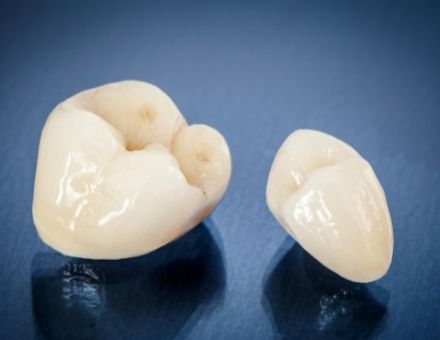
I received three dental crowns in 2019. After my yearly exam, x-rays, and cleaning last week, my dentist said that the top left first molar crown has a cavity beneath it. I regret not getting a second opinion because last year, I mentioned to my dentist that I had a toothache on and off in the tooth, but she didn’t pursue it. Why do I have a cavity beneath a crown? I had a challenging appointment due to anxiety when I got the crowns, and I don’t want to think about getting a new one. Thanks. Elyssa from Arlington, VA
Elyssa,
It is unusual to find decay beneath a relatively new crown. Dr. Michalski would need to examine your crown and x-rays, but we will explain how decay can develop.
Why Do You Have a Cavity Beneath a Dental Crown?
Two reasons you may have a cavity beneath a dental crown include your dental history and the crown placement.
- Your dental history – People with a history of cavities may develop decay beneath a dental crown.
- The crown placement – If the margin where your crown and tooth meet is not smooth or has gaps, bacteria, plaque, and decay can thrive. If your dentist does not detect decay during your yearly exams and x-rays, the decay will progress, and you will begin to feel sensitivity and pain.
How Long Do Dental Crowns Last?
A well-made and precisely placed dental crown can last five to ten years. Insurance companies will not provide benefits for a replacement crown fewer than five years old. Most cosmetic dentists would be embarrassed to find decay beneath a crown they placed.
We recommend finding an advanced cosmetic dentist to examine your tooth, crown, and x-rays.
Will You Need a New Dental Crown?
If you have a cavity beneath a dental crown, a dentist must remove the crown and cavity. You may need a new crown. When you get a second opinion, ask the dentist about sedation options to help you relax during your procedure.
Dr. Thaddeus Michalski, a Rocky Hill, Connecticut dentist and Diplomate of the International Congress of Oral Implantologist, sponsors this post.
Do I Need a TMJ Dentist to Fix My Crown?
I think I need to see a TMJ dentist or specialist about my crown. I got the crown in late February, and I’ve had problems ever since. My dentist has made “adjustments” five times, but my bite is off, and I have jaw and neck pain. I didn’t have these problems in the past, so I know it must be the crown. My dentist said he did everything that he could and that the bite paper looks like everything is even. So why am I still having pain? Should I see a TMJ specialist even though I know the crown is really the problem? Thanks. Amanda from Fairfax, VA
Amanda,
Thank you for your question.
A dentist with advanced training and skill can ensure your bite is aligned correctly. A dentist needs to understand jaw anatomy and how it affects your bite. A poor-fitting crown can cause or worsen TMJ symptoms. A dentist trained to diagnose and treat TMJ can help.
Your dentist may lack the additional training required to ensure your bite is correctly aligned. Repeated adjustments sometimes work, but they can also make things worse. If a dentist adjusts a crown too much, it will not connect with the opposite tooth.
Why See a TMJ Dentist?
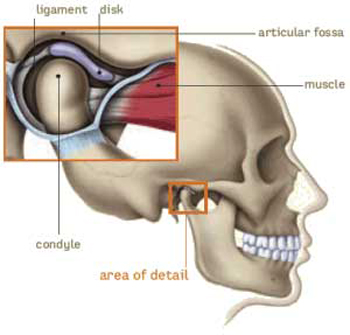
If you see a TMJ dentist, they will examine your crown and jaw joint to determine the optimum crown position.
- After five attempts to adjust your bite, you need a second opinion if your dentist still has not resolved the problem.
- You may be biting incorrectly or moving your mouth in a way that compensates for the poor bite. If so, it can stress your jaw muscles and joints. Your TMJ problems will continue to progress until a dentist corrects your bite.
- Depending on what your dentist did to adjust your bite, you might need a new crown. But a correctly aligned bite will save you discomfort, pain, and money for the long term.
Schedule an appointment for a consultation with a least two different TMJ dentists. Check their training and credentials before you make the appointments.
Rocky Hill, Connecticut dentist Dr. Thaddeus Michalski, sponsors this post.