


Will Dental Crowns Help with TMJ?
I have TMJ and have worn down my teeth. I’ve worn a nightguard for more than 12 years. However, I think my daytime teeth clenching and grinding have ruined my teeth. My dentist wants to do crowns to relieve my jaw pain and migraine headaches. Would placing crowns on my teeth help? Thanks. Levi from MT
Levi,
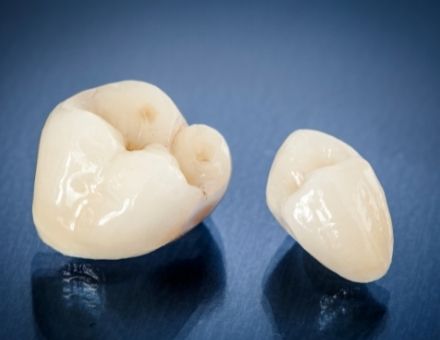
Dentists often use crowns to change the way your teeth meet and relieve stress on the TMJ. This technique is widely accepted. In some cases, the most stable solution involves crowning all the teeth to rebuild the bite.
Why Look for Dentists with Advanced Training in TMJ Treatment?
Although you saw someone described as a “TMJ specialist,” there is no formal specialty. TMJ disorders require advanced education in restorative dentistry and jaw biomechanics. Treatment works best when the dentist understands how your jaw moves and how your bite affects the joint.
Dentists who pursue post-graduate training usually feel more confident diagnosing TMJ issues and recommending the least invasive option that can still restore function.
Which Institutes Offer TMJ-Relevant Training?
The following centers offer structured programs in occlusal therapy, bite reconstruction, and TMJ management. Completing the entire curriculum offers the most comprehensive preparation.
- Dawson Academy (FL headquarters, multiple training centers)
- Las Vegas Institute for Advanced Dental Studies (Las Vegas, NV)
- Pankey Institute (Key Biscayne, FL)
- Piper Education and Research Center (Tampa, FL)
- Spear Education (Scottsdale, AZ)
Dentists who graduate from these programs generally receive more in-depth training than those who attend only individual courses.
Evaluating Your Dentist’s Treatment Recommendations
Your dentist’s plan sounds reasonable, particularly because your mouth guard has already relieved your symptoms. That response suggests her treatment is helping. Even so, asking a few clarifying questions can help you feel confident about your next steps.
Dr. Thaddeus Michalski, a Rocky Hill, Connecticut dentist, sponsors this post. Read about his efforts to provide some of the best dental care in Rocky Hill.
Do I Need New Crowns Replaced to Stop My Teeth from Chattering?
I chipped both front teeth as a young teenager. At the time, my dentist filled the chips with dental bonding. I’ve had the bonding replaced several times throughout my life. At 52, my current dentist recommended replacing the bonding with dental crowns. I regret accepting that recommendation. I have six crowns on my upper front teeth. My bite is off, and my teeth chatter. Maybe my anxiety is making it worse. I’ve returned to the dentist multiple times, and she referred me to a periodontist who confirmed that my gums are healthy. Do I need to see another dentist for bite adjustments? Could I need new crowns? Thanks. Emiko from San Diego
Emiko,
Your anxiety is understandable. We can’t say whether you would need new crowns without an exam and X-rays. However, we have several concerns and suggestions on how to proceed.
Replacing successful composite bonding with six crowns seems like an overly aggressive approach. A more conservative solution, such as replacing the bonding, might have been sufficient. Referring you to a gum specialist seems irrelevant to your bite problem. A dentist specializing in occlusion can address the bite concerns.
This raises questions about the dentist’s judgment and ethical considerations.
Meticulous attention to occlusion is crucial when performing multiple crown procedures, especially on anterior teeth. This includes ensuring proper centric occlusion, anterior guidance, and canine protection. Any deviation from these principles can lead to long-term dental problems, including the issues you are experiencing with your bite.
Your post-treatment symptoms, including dry mouth, burning sensations, and an urge to clench your teeth, are concerning. The most significant red flag is the bite issue. A well-executed crown procedure gives you a natural and comfortable bite. However, your description of an awkward bite and the desire to clench your teeth suggests potential problems with the occlusion.
Get a Second Opinion from a Qualified Dentist
Given the situation’s complexity, we recommend seeking a second opinion from a dentist with advanced training in occlusion. Dentists who have graduated from institutions like the Pankey Institute, Dawson Academy, Spear Education Center, or the Las Vegas Institute possess the necessary expertise to diagnose and treat complex occlusal issues.
Dr. Thaddeus Michalski, a Rocky Hill, Connecticut dentist and Diplomate of the International Congress of Oral Implantologists, sponsors this post. Read why his patients think he is the best dentist in Rocky Hill.