


Will Dental Crowns Help with TMJ?
I have TMJ and have worn down my teeth. I’ve worn a nightguard for more than 12 years. However, I think my daytime teeth clenching and grinding have ruined my teeth. My dentist wants to do crowns to relieve my jaw pain and migraine headaches. Would placing crowns on my teeth help? Thanks. Levi from MT
Levi,
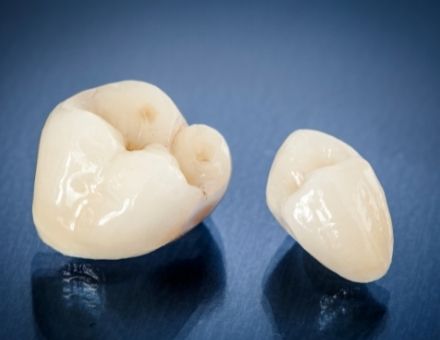
Dentists often use crowns to change the way your teeth meet and relieve stress on the TMJ. This technique is widely accepted. In some cases, the most stable solution involves crowning all the teeth to rebuild the bite.
Why Look for Dentists with Advanced Training in TMJ Treatment?
Although you saw someone described as a “TMJ specialist,” there is no formal specialty. TMJ disorders require advanced education in restorative dentistry and jaw biomechanics. Treatment works best when the dentist understands how your jaw moves and how your bite affects the joint.
Dentists who pursue post-graduate training usually feel more confident diagnosing TMJ issues and recommending the least invasive option that can still restore function.
Which Institutes Offer TMJ-Relevant Training?
The following centers offer structured programs in occlusal therapy, bite reconstruction, and TMJ management. Completing the entire curriculum offers the most comprehensive preparation.
- Dawson Academy (FL headquarters, multiple training centers)
- Las Vegas Institute for Advanced Dental Studies (Las Vegas, NV)
- Pankey Institute (Key Biscayne, FL)
- Piper Education and Research Center (Tampa, FL)
- Spear Education (Scottsdale, AZ)
Dentists who graduate from these programs generally receive more in-depth training than those who attend only individual courses.
Evaluating Your Dentist’s Treatment Recommendations
Your dentist’s plan sounds reasonable, particularly because your mouth guard has already relieved your symptoms. That response suggests her treatment is helping. Even so, asking a few clarifying questions can help you feel confident about your next steps.
Dr. Thaddeus Michalski, a Rocky Hill, Connecticut dentist, sponsors this post. Read about his efforts to provide some of the best dental care in Rocky Hill.
How to Protect Your Gum Health During Pregnancy
My baby was born in mid-July. I’m concerned that my gums are still swollen around my teeth and appear to be pulling away from some of my teeth. I have been so busy adjusting to our new life that I haven’t been to the dentist yet. Will this issue resolve, or will I need gum treatment or gum surgery? Thanks. Ryleigh from TN
Ryleigh,
Many women develop pregnancy gingivitis, a condition where hormonal changes make the gums more reactive to plaque. Your gums may feel tender, look swollen, or bleed more easily. These symptoms are common, but they still deserve attention.
How to Protect Your Gum Health During Pregnancy
Consistent daily care is crucial for protecting your gum health during pregnancy. Minor improvements in routine can reduce inflammation and keep the tissues healthier.
Pregnancy gingivitis often improves when plaque around the gumline is removed frequently. The following steps help create a cleaner environment and reduce irritation:
- Brush more often, paying close attention to the gumline
- Floss every day to remove plaque between teeth
- Rinse occasionally with 3% hydrogen peroxide, if your provider recommends it
Use peroxide sparingly. It can also reduce beneficial bacteria. Using it daily for more than two weeks may increase the risk of a yeast infection.
When Symptoms Seem More Severe
Your symptoms sound more pronounced than the typical mild to moderate swelling most patients experience. While we can’t diagnose your case without examining you, persistent inflammation that doesn’t improve with careful home care needs a dentist’s evaluation.
Before considering any gum contouring or other surgical treatment, focus on stabilizing your oral hygiene. If plaque remains along the gumline, swelling will return even after a procedure. A thorough exam will help identify what’s triggering the inflammation and guide your dentist toward treatment recommendations.
Dr. Thaddeus Michalski, a Rocky Hill, Connecticut dentist, sponsors this post. Read about his efforts to provide some of the best dental care in Rocky Hill.
